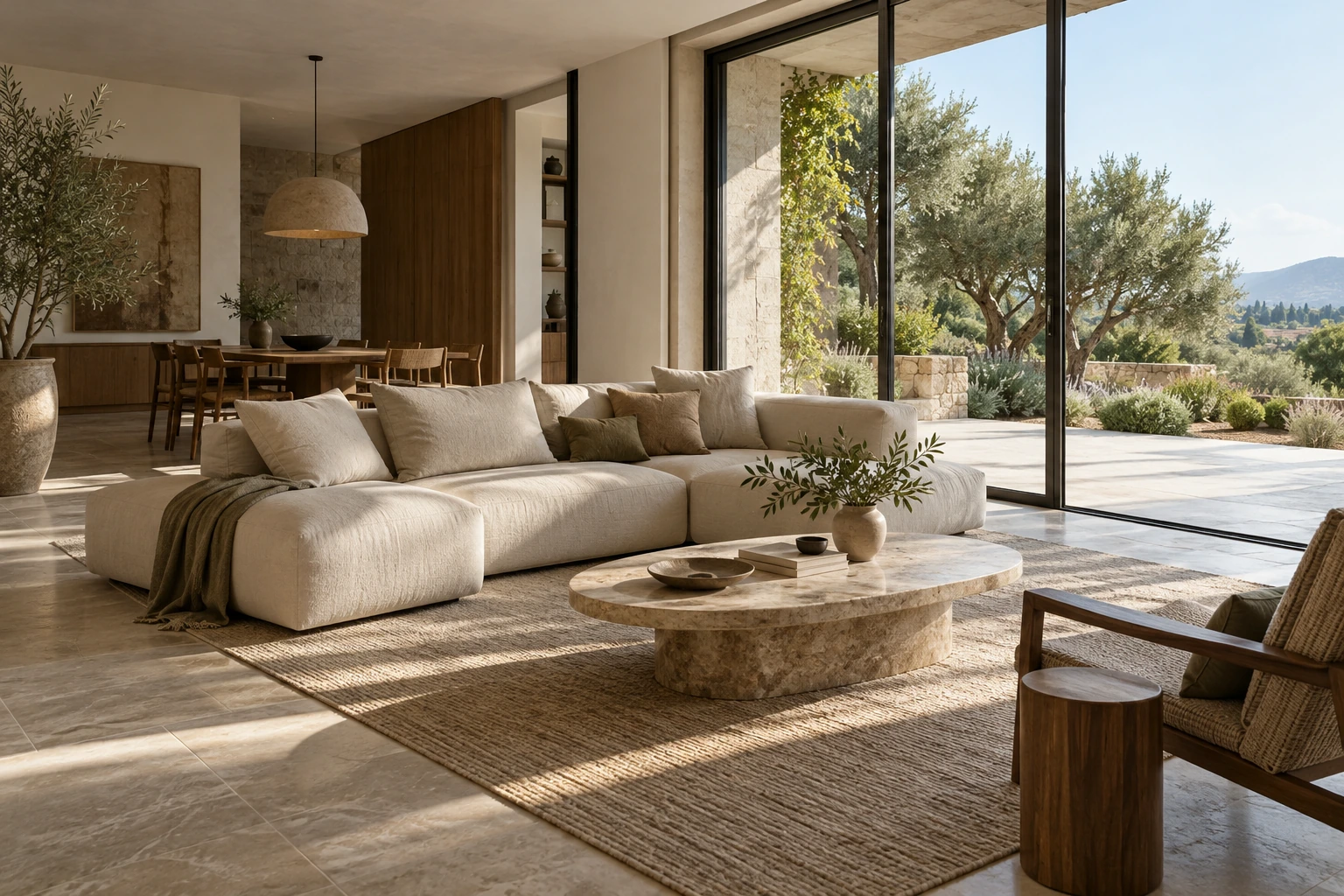
A living and dining room with a cream sofa, an oval stone coffee table and a wood dining set

Custom Furniture Development & Production

Develop a furniture concept into a specified piece for production. NOVARMIA coordinates design development, dimensions, material and upholstery choices, samples and manufacturing review with GEORGE Furniture, from a single bespoke piece to a coordinated custom collection.

Discuss Your Custom Furniture Brief

Furniture Development from Concept to an Approved Specification

A custom furniture project starts with the piece’s purpose and the design features that matter. We develop those ideas with the furniture team, compare the material and construction choices, and bring the accepted details into the production order.

Production decisionWhat enters the supply order
Design direction and functionReference images, intended use, overall proportions and the functions the piece needs to provide. The development brief identifies the features to retain and the areas where alternatives can be explored.
Dimensions and configurationThe agreed overall dimensions, component arrangement and relevant fit requirements. For upholstered seating, the discussion includes seat proportions, arm and back form and the selected upholstery direction.
Material and finish decisionsThe proposed structure, exposed surfaces, upholstery and fittings. Samples and design views are connected to the specific choice they are intended to resolve.
Approved production referenceThe accepted design and dimensions, material references, quantity and the current drawing or sample references. These decisions form the basis for manufacturing and subsequent order follow-up.

Bespoke Furniture Pieces and Coordinated Custom Collections

Develop a defined furniture concept

Bring a concept sketch, a design reference or a description of how the piece needs to work. We coordinate the development of its proportions, construction and material direction. A custom table, storage piece or upholstered seat is reviewed as a complete object, including its visible surfaces, supports and access requirements.

Furniture Collections

Develop related pieces for one interior

A coordinated collection may share a wood tone, metal finish, upholstery family or design detail across different pieces. We keep the dimensions and function of each item distinct while coordinating those shared features. The item schedule records quantities and the approval information for every design.

Interior Design & Material Selection

Balance Furniture Proportions, Materials and Construction

Changing the shape of furniture can affect its supports, joints, upholstery and handling. We develop the appearance alongside a manufacturing review so the selected design can be translated into a priced production proposal.

Form, support and connections

The team reviews the overall size, base or leg arrangement and proposed connections. For tables and storage, the development discussion considers overhangs, spans, doors and access to usable space. Requested features are examined with the proposed construction before they enter the approved specification.

Wood, stone, glass and metal surfaces

We identify the surfaces and components that create the selected appearance. Material choices are connected to edge details, finish references and the way adjacent parts meet. Natural materials are reviewed through suitable samples so the buyer can consider grain, color and expected variation.

Upholstery and seating proportions

The brief identifies fabric or leather direction, color, texture and the preferred seating feel. Seat dimensions, back and arm forms, seam placement and exposed bases are developed together through the agreed design views and material samples. A request for a physical seating prototype is reviewed for feasibility and preparation costs before it is commissioned.

Information That Shapes the Furniture Development Brief

Your references establish a starting point; the intended use and physical setting determine the details to develop. We organize the brief by item so a decision about one piece stays connected to its own design.

Buyer inputInformation to supplyHow we use it
Concept and prioritiesSketches, reference images and the visual or functional features that matter most.Establishes the design direction and the areas open to alternatives. We identify the drawings, views and samples needed to communicate the proposed piece.
Size and useTarget dimensions, intended users, storage or seating needs and related equipment or furniture.Guides proportions and configuration. For pieces that fit into an existing space, the buyer’s verified measurements provide the fit basis.
Material and finish preferencesWood or surface references, upholstery direction, metal finishes and any material sample already selected.Defines the combinations to review and the physical references needed to decide between them.
Quantity and delivery accessQuantity by design, destination and available information about doorways, stairs, elevators or receiving access.Informs manufacturing and packing discussions, including whether the proposed piece needs a separable base or another assembly arrangement.

Design Review, Sample Decisions and Furniture Production

We coordinate the work around a sequence of design decisions. Each review brings the current dimensions, materials and appearance together before the buyer authorizes the next stage.

  1. Develop the proposed piece

    The furniture team develops the concept into the agreed design views and a proposed material direction. We consolidate the buyer’s feedback around proportion, function and appearance so revisions follow one current brief.

  2. Resolve dimensions and samples

    The selected design is reviewed through the agreed drawings, visual mock-ups and material samples. A finish sample addresses surface appearance. Where a physical component or full-piece prototype is requested, we review feasibility, preparation and shipping costs before that prototype is commissioned.

  3. Approve the manufacturing specification

    The accepted dimensions, material references and relevant drawings or samples are connected to the production order. We coordinate manufacturing follow-up and the agreed checks, then bring packing and delivery decisions into the handoff.

If the task is to select and buy available furniture models, Furniture Sourcing from China is the direct route. This development service focuses on a defined custom design and the decisions required to manufacture it.

Furniture Development Fees, Samples and Unit Pricing

The proposal separates development work from the furniture supply. This allows the buyer to see which design and sample decisions are included before comparing the production price.

Design development and revisions
The proposal identifies the pieces to develop, the design views or drawings and the included review rounds. Added pieces, a new design direction or extra review rounds are priced before that additional work starts.
Material samples and prototype requests
The proposal identifies the material samples and visual mock-ups included in development. Physical prototype requests receive a separate feasibility and cost review. Preparation, shipping and any treatment of a sample cost in the later production order are established before the work is commissioned.
Production quantity and packing
Materials, construction, upholstery, hardware and quantity affect the unit price. The supply quote identifies packing and assembly format, with freight and destination services listed according to the selected delivery arrangement.

GEORGE Furniture Custom Design and Production Support

GEORGE Furniture offers custom furniture development with material choices, design views, sample review and approval of dimensions and finishes before production. NOVARMIA coordinates this work around the buyer’s design brief and the resulting furniture order.

Explore Furniture Collections

Custom Furniture Development Questions

Can we start with a sketch rather than a complete drawing?

Yes. A sketch, reference image or functional brief can start development. Include the intended use, target dimensions and features that matter most. We agree the design work and the information needed to develop a manufacturing proposal.

Can you develop a single bespoke piece?

A single-piece request can be reviewed. The proposed construction, material preparation and development work determine the commercial basis. The quotation identifies the piece, design and sampling work, and applicable production quantity.

Can we coordinate new furniture with existing pieces?

Yes. Provide photographs, dimensions and available material or finish references for the existing pieces. We develop the new item around the relationship you want to achieve and use appropriate samples to review the proposed combination.

What can a sample help us decide?

A material or finish sample supports color, texture and surface decisions, while design views and visual mock-ups help review form and proportions. For a physical component or full-piece prototype, we review feasibility, preparation and shipping costs before the prototype is commissioned.

Can we review the design before manufacturing starts?

Yes. The development sequence includes buyer review of the agreed design information and selected materials. The accepted dimensions, finish references and applicable drawings or samples are brought together for production approval.

How do changes affect a custom furniture order?

During development, feedback is handled within the agreed review rounds. A later change to an approved design is assessed against the materials and work already committed. We present the proposed cost and timing effects before the changed work proceeds.

Discuss Your Custom Furniture Brief

Contact the NOVARMIA Team

sales@novarmia.com