On this page
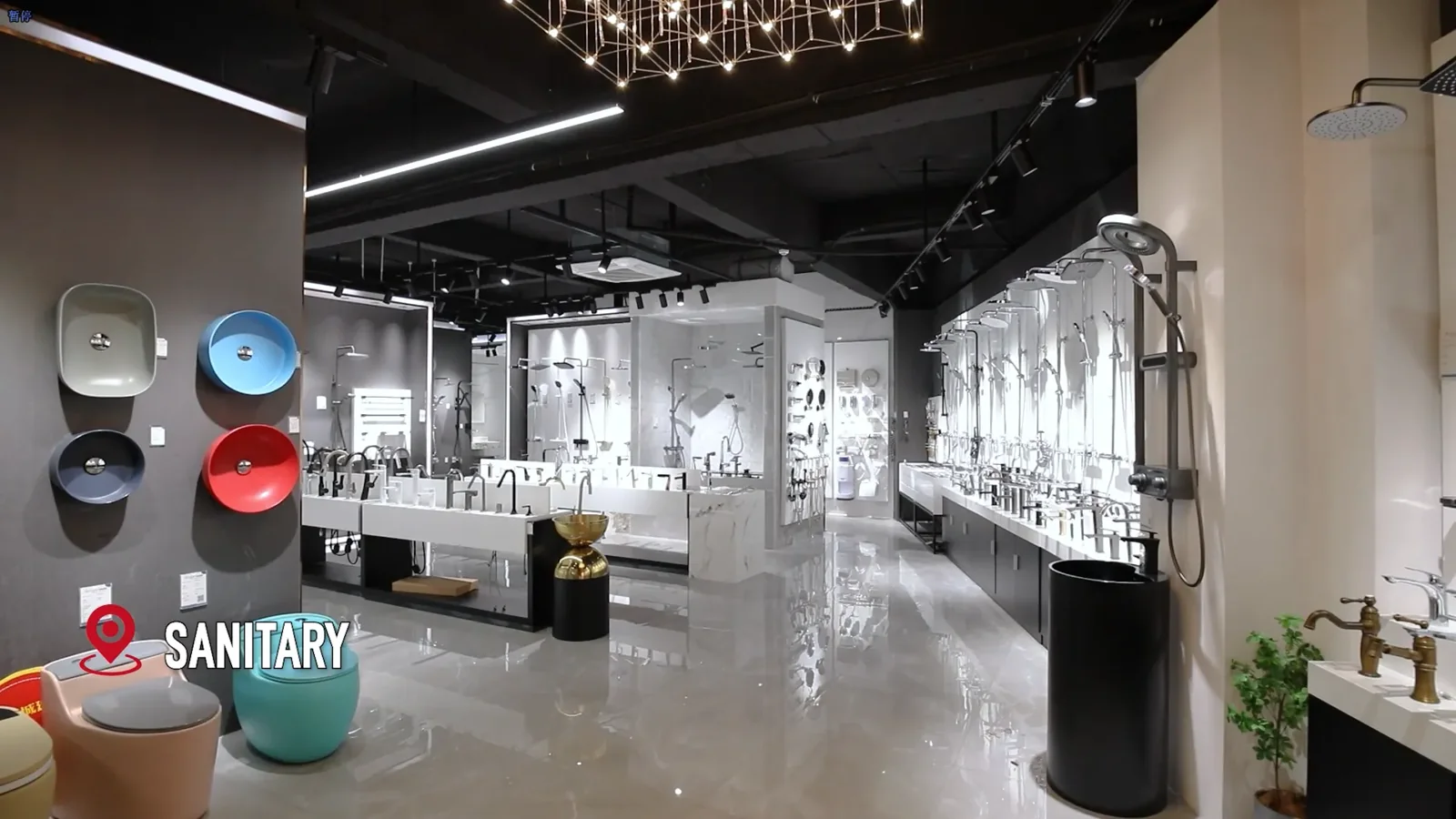
Choose chrome for a bright, reflective look, brushed nickel for a softer metallic appearance, or matte black for a deliberate dark contrast—but make the final choice from the actual faucet samples and their care instructions. None of these names alone establishes the coating process, resistance to corrosion or suitability for your cleaning routine. The best bathroom faucet finish is the offered version that meets both the room’s appearance brief and the owner’s maintenance limits.
A fair comparison keeps the faucet shape and operating specification constant. Compare the same model family, then identify each finish code, documented process and applicable care sheet. The filled example below selects brushed nickel after a controlled visual review and a supplier response; it does not claim that brushed nickel always hides marks or outlasts the other two.
Separate appearance names from finish construction
Chrome, brushed nickel and matte black are useful shopping terms. They are not a complete specification. The base component, preparation, finish system and component-specific treatments still need identification. Do not infer that every brushed-nickel surface is PVD, every black surface is powder coated or every chrome-looking component has the same construction.
There are genuine same-family examples. Moen’s Align illustrated-parts document identifies 6190 in chrome, 6190BN in brushed nickel and 6190BL in matte black, with different model versions requiring attention when ordering parts. Its current product page also presents multiple finishes. This is evidence that the three appearances can be compared within one family, not proof that every spare part fits every production version.
Moen’s separate finish chart identifies its BN finish as PVD, chrome as electroplated and BL as powder coat. Those are documented examples from that manufacturer. Its care guidance is organized by finish type and name, including distinct instructions for its Spot Resist finishes. A buyer must not treat ordinary brushed nickel as a synonym for a named fingerprint-resistant treatment.
What each appearance is best for
Chrome: a bright, reflective fixture
Chrome is a strong candidate when the bathroom design calls for a polished metallic highlight and the adjacent fittings have been matched in person. Its reflected image can be part of the intended design. Check the whole faucet under the actual mirror light: a small color chip does not show the reflections on the spout, handle and curved body.
The potential drawback is the buyer’s tolerance for whatever fingerprints, splashes or dried marks appear on that particular sample. Review those observations under the intended light and agree how the fixture will be wiped. Do not promise that every chrome finish shows more marks, costs less or withstands every cleaner.
Brushed nickel: a quieter metallic surface
Brushed nickel is a useful shortlist when the room calls for a less mirror-like metal appearance. Look at tone, brushing direction and the transition between the handle, body and trim. A warm-looking sample in one room may appear different next to the actual tile, mirror frame or drain cover.
The limitation is matching. Two products called brushed nickel can still look different, even before different brands are considered. Accept the assembled set rather than assuming that one name controls the whole bathroom. Select it when the sample, neighboring fittings and care restrictions are acceptable; do not rely on an unverified anti-fingerprint or no-maintenance claim.
Matte black: a deliberate contrast
Matte black suits a room that needs a defined dark outline against the basin, wall or countertop. Check sheen as well as color. A satin black drain, a very flat black faucet and a black painted mirror frame may not form the matching set the buyer expected.
Evaluate the actual handle contact areas and the places where water can remain. If pale deposits become conspicuous on the chosen sample, decide whether the cleaning routine is realistic. This is a sample and operating question, not evidence that all black coatings are fragile. Avoid selecting black on the assumption that a dark color automatically conceals every mark.
Compare care restrictions before approving the color
Read the finish-specific instructions, including exceptions, rather than lifting one sentence from a general cleaning page. For example, Moen’s powder-coat section contains explicit restrictions on abrasive materials and organic solvents. Its PVD and electroplated sections are separate. Permission for a method on one named finish does not authorize it on another supplier’s faucet.
| Appearance | Same-light sample review | Care and purchase restriction |
|---|---|---|
| Chrome | Review reflected light, contact marks and visible dried splashes on the whole faucet. | Use the exact code’s care sheet. Confirm cleaner, cloth, rinsing and drying requirements; do not assume a metallic appearance permits polishing. |
| Brushed nickel | Review tone and brushing against the same tile, drain and accessory samples. Record observed marks. | Distinguish the exact finish from any named spot-resistant version. Confirm approved care and spare-part finish codes. |
| Matte black | Review darkness, sheen, hand-contact areas and contrast with any pale residue. | Confirm coating-specific restrictions. Do not transfer a solvent, abrasive or metal-polishing method from another finish. |
Give the supplier the names and current product information for cleaners actually used in the bathroom. A housekeeping bottle described only as “bathroom cleaner” is insufficient. Include how it is applied and whether it can splash from the basin or countertop. Obtain a written compatibility answer or revise the routine before ordering. This article does not supply an acid-cleaning recipe or a universal approved detergent list.
Review three samples under the same conditions

Use complete faucets or representative finished assemblies from the offered model family. A flat coupon can support color review, but it cannot show every curved reflection, handle junction or mixed-material trim detail. Use the following sequence:
- Record model, finish code, sample reference, production information and the applicable care-sheet revision for each option.
- Place the samples beside the actual tile, basin and accessories. Review them in one daylight session, then under the same intended mirror light; do not compare one daylight photograph with another sample under warm artificial light.
- Keep position and viewing angle consistent, then exchange positions to check whether a highlight is caused by the lighting rather than the finish. Record the accepted viewpoint and neighboring materials.
- Where the supplier permits it, review ordinary handling and water marks, then the result of the agreed care routine. Record observations without calling them an accelerated durability or corrosion test.
- Retain an approved physical reference and photographs. Photos support identification but do not replace the physical match standard.
Compare tone and texture under the same light. Exact finish and batch acceptance still require the approved documents and physical samples.

K-46: a completed finish and matching decision
All observations, documents, supplier replies and acceptance decisions below are assumed. The basin and flow/interface requirements have already been selected separately, so this decision concerns finish and care.
The buyer wants a soft metallic look with warm-white tile and is willing to wipe the faucet after use. Existing fixtures show dried water marks, but no water-hardness measurement is available. The buyer records that observation without labeling the water quality or using the finish as a substitute for water treatment. The cleaning plan uses a named product and soft cloth with the supplier’s accepted method.
| Sample | Assumed review and reply | Completed buyer decision |
|---|---|---|
| L46-C chrome | Same daylight and mirror-light rounds: the buyer finds the reflected highlights too prominent for the room. The supplier confirms the documented care route for this code. | Not selected for this appearance brief. No durability defect or cleaning failure is alleged. |
| L46-N brushed nickel | The assembled sample matches the desired tone. Assumed ordinary marks clear with the agreed routine; the buyer accepts the remaining appearance. The supplier confirms the exact finish document and cleaner/method compatibility. | Selected. Keep sample N-01 as the physical finish reference and attach the accepted care sheet to the order. |
| L46-B matte black | The buyer likes the shape but rejects the dark contrast in this room. The assumed pale dried residue is more conspicuous than the buyer wants between wipes. Its own care sheet is reviewed separately. | Not selected. This result applies to this sample, room and routine, not to every matte-black finish. |
| Drain and accessories | The first proposed drain cover looks cooler than N-01. The supplier submits an alternative finished cover; the buyer compares it beside N-01 under both lighting rounds and accepts it. | Replace the original cover specification with the accepted alternative code D-N2. Approve the towel-ring sample alongside the assembled set. |
The order therefore proceeds in the selected L46-N finish with D-N2 and the accepted accessory references. The supplier’s assumed response identifies the finish construction for the ordered components, applicable care documents and version-specific replacement codes. The buyer keeps one labeled reference set and requests confirmation before a production-batch or component-finish substitution.
This is a completed brushed-nickel choice and a corrected drain-cover specification. It does not certify corrosion resistance, establish a numerical color tolerance or demonstrate long-term wear. Before real order release, verify actual product identity, batch references, destination requirements and the seller’s documented finish and service terms.

When should the choice change?
If the owner wants a mirror-like accent and accepts the observed marks and care routine, chrome may be the better decision. If a dark outline is essential and the specific black sample works with the available cleaning method, matte black may win. If a softer metallic tone and assembled-set matching are the priority, brushed nickel may fit. These are appearance and operating choices, not a ranking of coating technologies.
If water repeatedly leaves deposits and no one will wipe or follow the approved cleaning instructions, do not solve the problem by guessing which color is maintenance free. Review the actual water information where relevant, the operating routine and a sample under those conditions. If the required cleaning method is incompatible with all three offered versions, revise the product or maintenance plan rather than accepting an unsupported finish claim.
Send NOVARMIA the faucet model, three finish references, adjacent fitting samples and proposed cleaning products for a coordinated comparison. Include the drain and accessories so the offer is based on the assembled bathroom appearance, not just a finish name.
FAQ
Does the same finish code guarantee a replacement part will fit?
No. Confirm the faucet model, production version and part number as well as the finish. A matching color designation does not establish mechanical compatibility. Keep the original product and service records.
Can a scratched faucet be repainted to match the other fittings?
Do not assume a field coating is an approved repair. Ask the manufacturer about the exact component and finish, including appearance and service consequences. Compare an authorized replacement route before accepting a cosmetic treatment.
Should a later delivery be accepted from photographs alone?
For a match-sensitive project, compare a representative delivered assembly with the retained physical reference under the agreed light. A photograph can change color and sheen. Agree the inspection and resolution process before shipment.
Can a chrome faucet be combined with black accessories?
Yes, when the mixed finish is intentional and the actual set is accepted. Record which items contrast and which must match. Otherwise a deliberate design can be confused with an incorrect supplied finish.