What is the difference between this concealed shower and an exposed shower system?
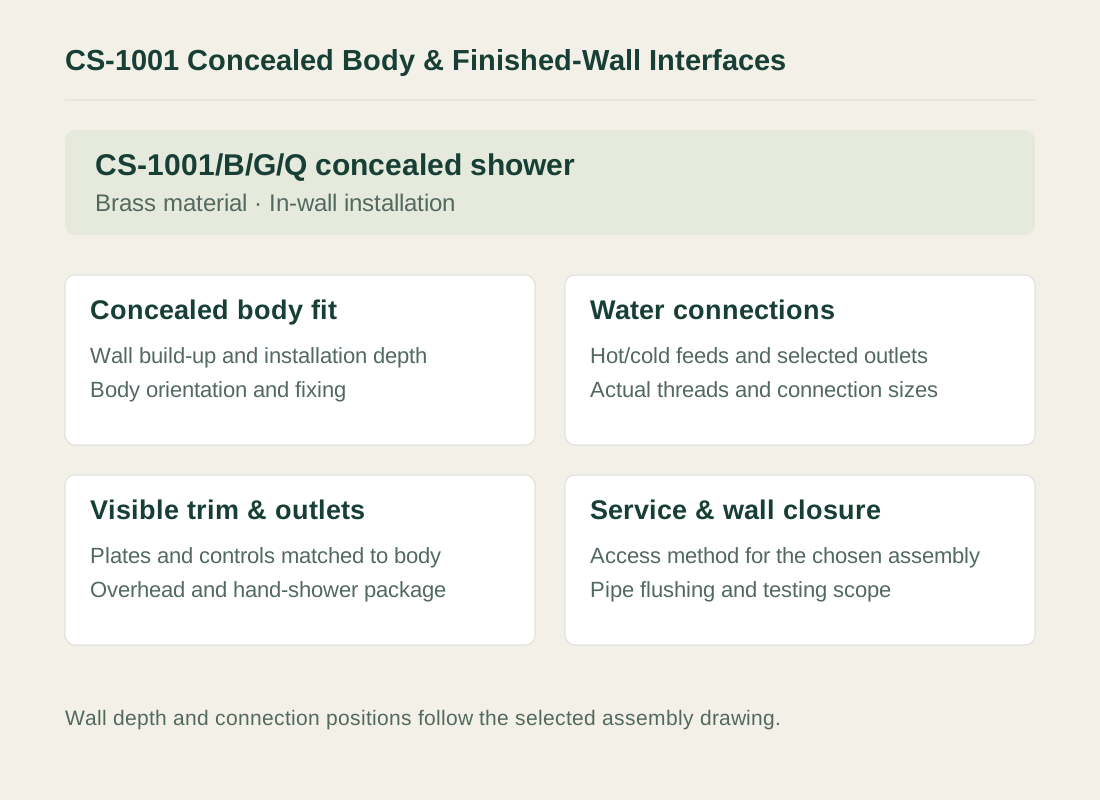
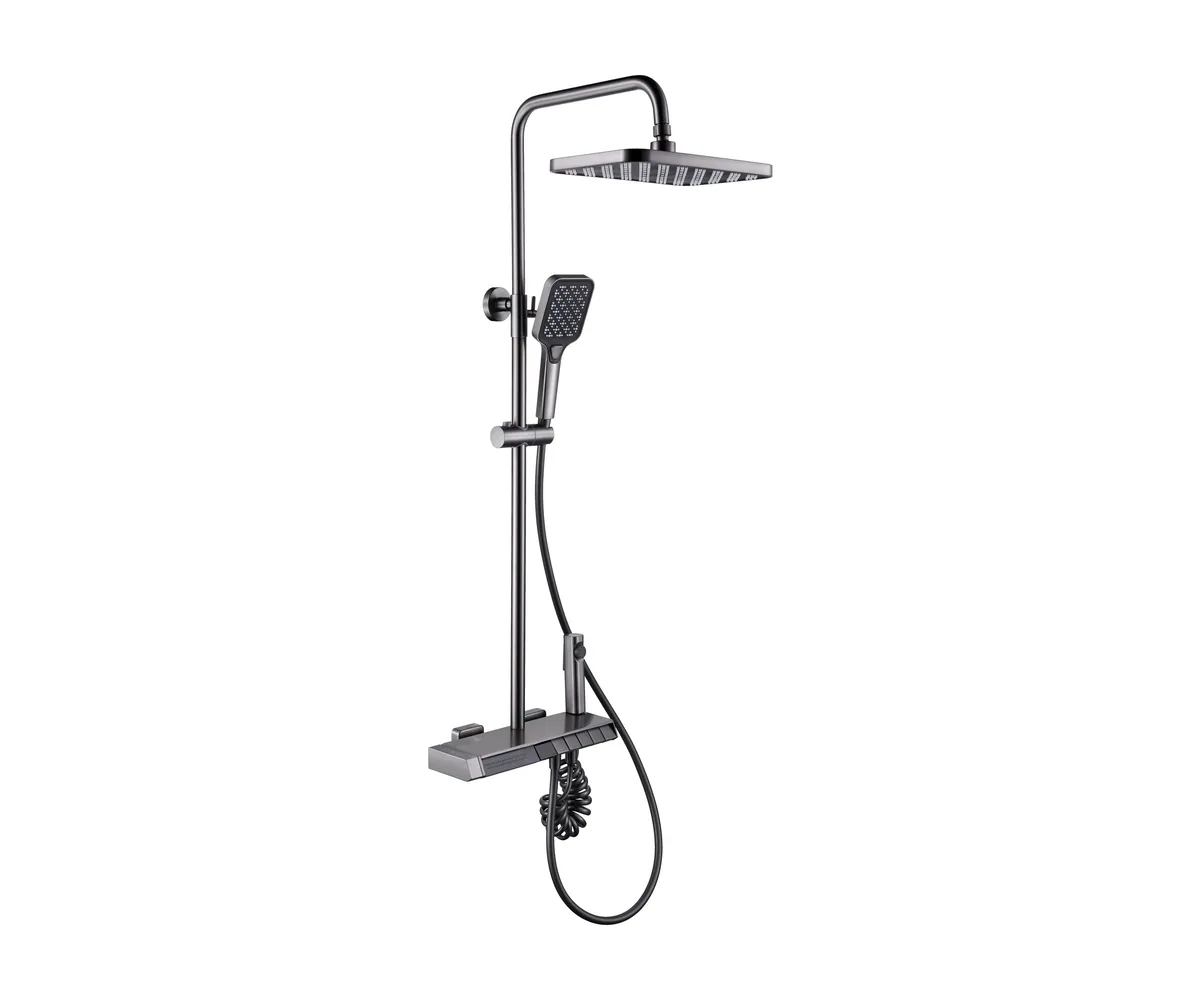
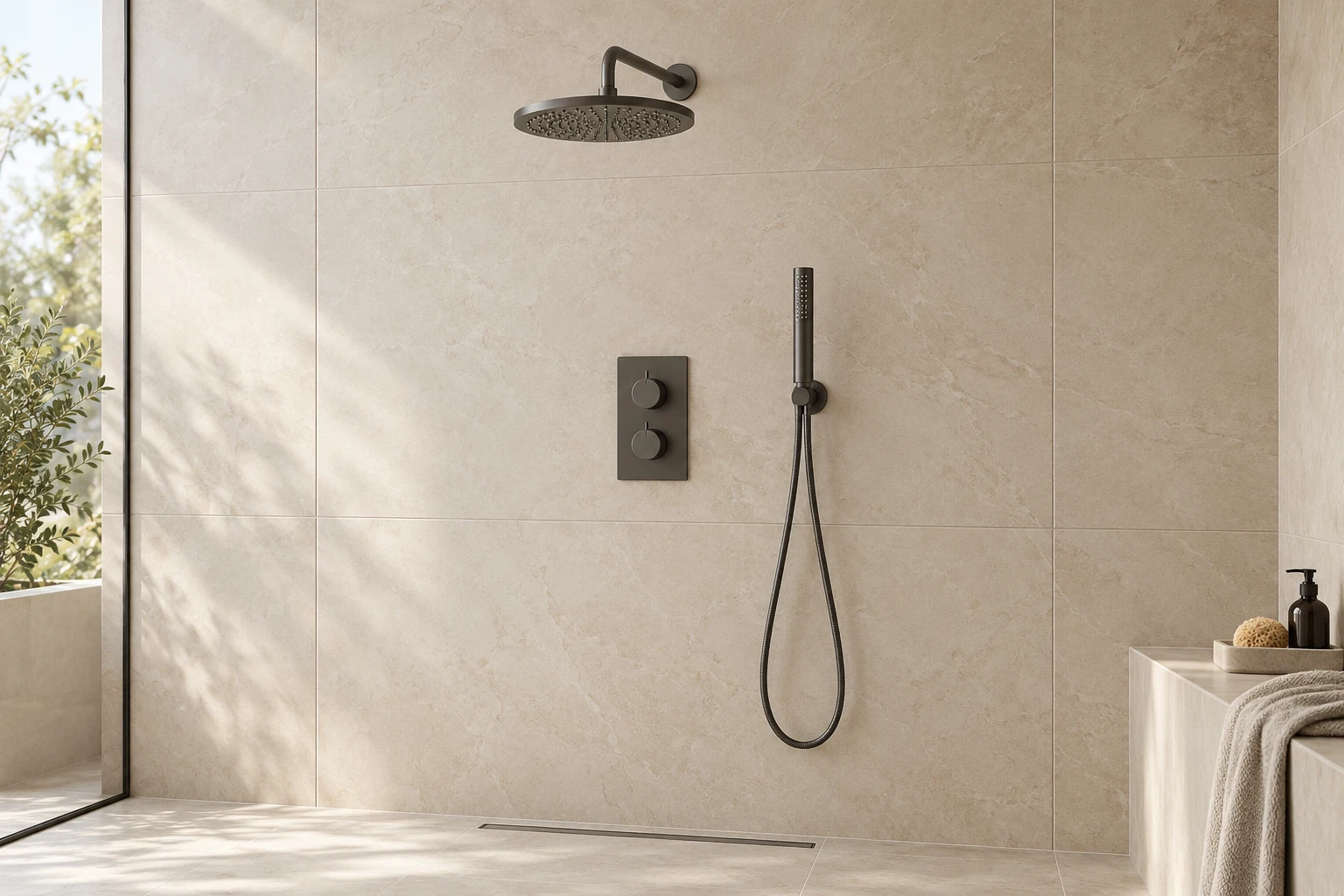
The CS-1001 family installs in the wall, with mixing components and pipe connections behind the finished surface and only the overhead outlet, controls and hand shower showing. An exposed system keeps more of the assembly on the wall, so concealed installation means planning wall depth, pipe routing and finish work as well as the fittings.
Which outlets are part of the CS-1001 selection?
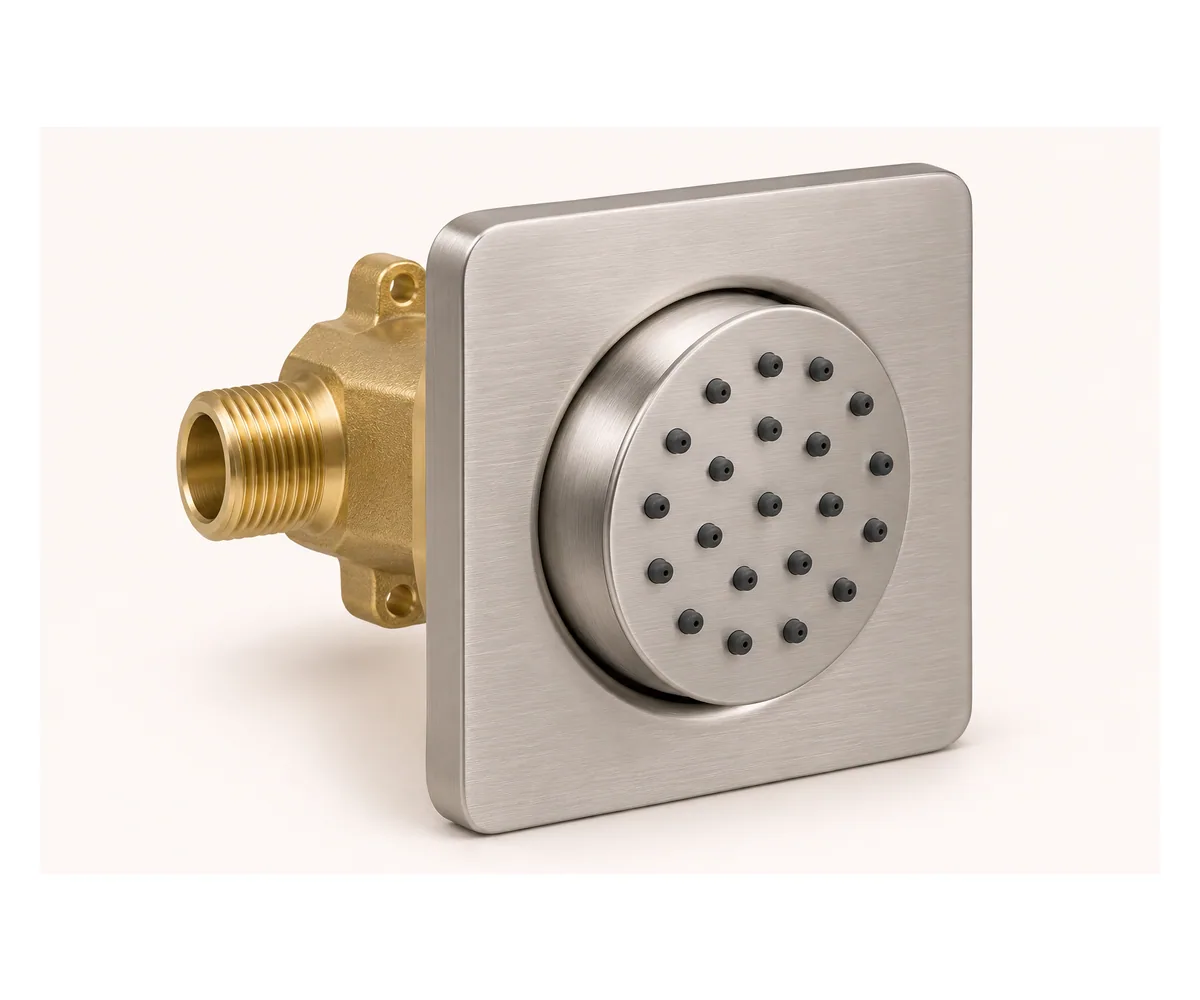
The family is described with overhead rain and waterfall modes plus a hand shower, thermostatic mixing and outlet selection. Our quotation identifies the actual overhead assembly, valve and trim, hand shower and associated hose, holder and connections. Component quantities and included fittings follow that itemized package.
Can the CS-1001 trim replace the controls on an existing concealed valve?
Only with confirmed compatibility between that valve body and the selected trim. Similar-looking controls can use different stems, fixings, installation depths and outlet arrangements. The existing valve identification and its installation information determine whether it can stay or whether the concealed assembly and surrounding wall work need replacement.
Can the rain, waterfall and hand shower run at the same time?
Outlet combinations depend on the selected mixing and diverter arrangement. If combined use is required, the control package, available flow, operating pressure and hot-water capacity need to support that combination before it is included in the order.
Does the thermostatic valve protect against scalding?
Yes. The thermostatic mixer keeps the water at the temperature you set, even when pressure changes elsewhere in the building, which prevents sudden hot surges. Tell us the certification your market requires, such as CE or WaterMark, and we confirm which valves carry it.
What information is needed for a concealed shower quotation?
Send the number of shower rooms, the bathroom elevation or layout, finish requirements and delivery destination, plus the finished wall build-up, outlet positions, water-supply conditions and connection requirements. We list shower components apart from site plumbing, waterproofing, tiling and installation, so it is clear what each trade covers.