On this page
Under DAP Incoterms® 2020, the buyer handles applicable import clearance and import duties/taxes. Under DDP, those obligations fall to the seller. Both normally deliver at the agreed destination with the goods still on the arriving vehicle, ready to unload. The practical choice also depends on who can carry out the destination import process, whose name belongs on the records and how tax evidence will reach the right business.
DDP is not a universal tax-registration or GST-recovery solution. This guide applies the responsibility question to a Singapore commercial import and completes a DAP choice after the buyer’s import chain is confirmed. It does not conclude that every overseas seller is unable to offer DDP.
Name the delivery point and the import responsibility separately
Use the rule, precise destination and edition together. DAP and DDP concern delivery ready for unloading; neither automatically means that the seller unloads the goods into your warehouse. If unloading is part of the requested service, identify its performance, cost and risk explicitly rather than infer it from “delivered.”
The difference in import obligations matters before the final truck reaches that point. A DAP buyer needs an import arrangement; a DDP seller needs an arrangement that lets it perform the import obligations it has accepted. Hiring a service provider does not eliminate the need to identify the parties and their responsibilities. The trade term allocates obligations between buyer and seller; it does not establish local registration, tax entitlement or government approval.
Keep a door-delivery quote and a customs-service quote distinct. A carrier may move the goods while a separate Declaring Agent submits a declaration. Someone may advance a tax payment and later seek reimbursement. Those activities need named owners and supporting records; they are not interchangeable descriptions of the importer.
In Singapore, distinguish the importer, the agent and the tax claimant
Singapore Customs’ import-permit guidance describes obtaining a Unique Entity Number (UEN), activating the Customs Account and applying through TradeNet. An appointed Declaring Agent can apply for permits on the entity’s behalf. The UEN/account steps are not the same as GST registration.
Identify the proper importer from the actual transaction and documents. Singapore Customs’ importer guidance refers to the rightful owner or an appropriately appointed local agent and warns against declaring an unrelated entity with no relevant interest or involvement. Do not insert a convenient company name merely because it has a usable account.
The Declaring Agent performs the appointed declaration service. That does not automatically make it the rightful importer, the owner of the goods or the business entitled to claim input tax. Confirm the importer name/UEN, the agent’s appointment, the payment arrangement and the document-return process together.
Destination arrival with cargo still on the vehicle, before unloading.
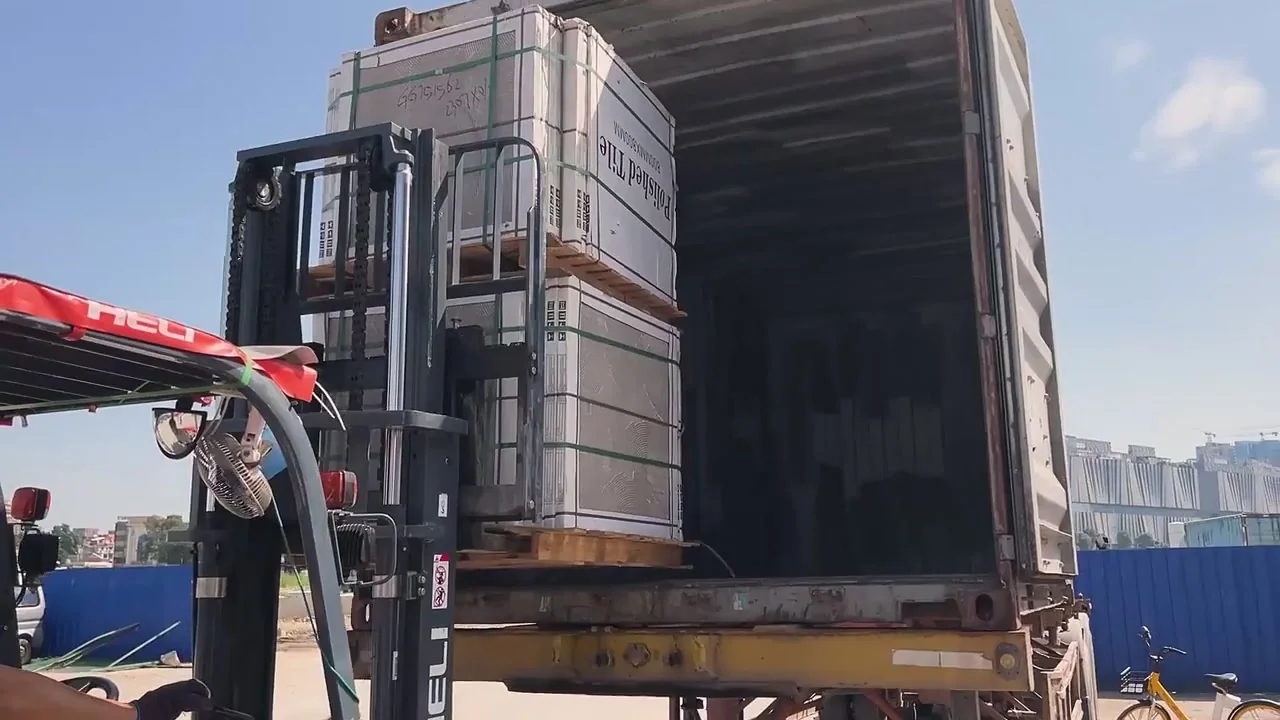
S-41: the destination record that the buyer accepted

Assume an October 30, 2026 order of packed cabinet and interior-door components for a Singapore business. Buyer B-41 is stipulated to be the appropriate local owner/importer, to hold a valid UEN and activated Customs Account, and to be GST-registered.
The proposed delivery term is DAP Receiving Bay R-41, B-41 Project Depot, Singapore, Incoterms® 2020, with the vehicle position identified in agreed site plan SG-41. The same destination and ready-for-unloading event are used when requesting the alternative DDP proposal.
The matrix compares the accepted DAP chain with the information required from that specific DDP proposal. Missing details in the DDP column are a defect in this offer, not a statement that the DDP rule itself supplies no answer.
| Field | DAP chain accepted for this order | DDP proposal: obligation and missing response |
|---|---|---|
| Transport / delivery | Seller S-41 arranges transport to Bay R-41; goods arrive on the vehicle ready to unload. | Seller would deliver to the same point ready to unload. “DDP” does not add warehouse unloading automatically. |
| Import responsibility | Buyer B-41 takes the import-clearance obligation and commissions DA-41. | Seller accepts import clearance under DDP, but has not identified its executable local arrangement. |
| Importer / UEN | B-41 is the stipulated proper importer; its name/UEN must match the permit and transaction records. | Seller has not named the proposed importer or explained its relationship to the goods. |
| Agent appointment | DA-41 accepts appointment to prepare/apply using B-41’s verified entity data and supplied trade documents. | “Our courier handles it” gives no identified appointment or importer/agent distinction. |
| Duties / import GST | Buyer budgets the applicable amounts separately. DA’s payment/advance and reimbursement process is agreed. | Seller bears applicable import duties/taxes under DDP. The offer says “tax included” but supplies no traceable tax-payment arrangement. |
| Service charges | Buyer commissions DA’s declaration service; seller’s destination transport scope is separate. No fee is assumed zero. | Seller must explain included import-service scope and any buyer-billed exceptions before acceptance. |
| Returned evidence | DA returns the approved permit and payment records; seller supplies invoice, packing and transport documents. | Seller has not confirmed which import/tax documents the buyer will receive or whose name they will show. |
| GST claim review | B-41 finance reviews its own eligibility and records against IRAS conditions before claiming. | Seller’s tax payment is not proof that B-41 may claim that amount as input tax. |
| Unloading | Buyer books the receiving team/equipment and accepts the agreed unloading responsibility after normal DAP delivery. | Same ready-to-unload endpoint requested. Any extra unloading service needs an explicit arrangement. |
Confirmed DAP responses: in this review, DA-41 accepts the appointment, confirms that B-41’s supplied UEN/account details are usable for the proposed application, and agrees the permit-data review, payment/advance process and return of the import/payment records. Seller S-41 accepts the named delivery point and will send the commercial and transport documents in time for that process. B-41 assigns its finance reviewer and receiving team.
DDP response: the alternative seller repeats “all import tax included” but does not identify the importer, its local service arrangement or the permit/tax-document flow. The buyer does not treat that assurance as an executable response.
Completed selection: B-41 chooses the stated DAP arrangement with its own importer/DA chain and separately owned tax and unloading budgets. It rejects the incomplete DDP proposal for this order. The decision concerns responsibility and usable documentation; no claim is made that DAP has the lower total price.
Paying import GST and recovering input tax are different questions
IRAS’ input-tax conditions require more than evidence that money was paid. Relevant checks include GST registration, goods imported by the claimant, business use, import permits identifying the claimant as importer and supporting invoices/transport documents. All applicable conditions must be met, including the treatment of taxable supplies and disallowed claims. This is not an exhaustive tax checklist.
For S-41, finance will review the actual approved permit, transaction documents and use of the goods before making any claim. The assumption that B-41 is GST-registered does not pre-approve recovery. If another entity is named as importer or the commercial documents do not support the intended claim, the team must resolve that issue rather than infer entitlement from the Incoterm or the party that funded the tax.
DDP can therefore leave a buyer with different evidence from a buyer-managed import. Ask how the seller’s arrangement works and what documents are available. A supplier’s bundled invoice is not automatically the buyer’s import permit. The applicable GST treatment may involve a different supply/registration arrangement, which requires its own assessment.
What would make the rejected DDP proposal worth reconsidering?
A revised proposal would name the legitimate importer arrangement, responsible local service provider, payment process and the documents returned to each party. It would identify any tax-registration or invoicing implications and define the same destination, access and unloading boundary. Those details would then be checked for the actual transaction.
That may produce a workable DDP option. The buyer should not assume every foreign seller is prohibited from DDP, nor that putting a local agent’s name on a file makes any arrangement valid. Evaluate the specific parties and destination requirements. The record should show whether a provider is acting as a Declaring Agent, an appointed local import agent, a seller or another participant; one label does not settle every role.
The chosen DAP chain also needs execution discipline. An accepted appointment is not an approved permit, and a goods order can change after the initial review. Keep the documents, actual goods and accepted service scope aligned.

Carry these specific checks into the shipment
- Importer and account: reconfirm the proper entity, UEN/account status and the agent appointment for the actual shipment.
- Goods and declaration data: settle descriptions, quantities, classification, value, origin and any required product permissions with the responsible parties.
- Fees and taxes: distinguish the transport price, declaration-service charge, tax amount, payment advance and reimbursement. Identify exceptions before booking.
- Evidence: reconcile the approved permit, invoice, packing/transport documents and payment records; obtain corrections through the proper process when necessary.
- Delivery: verify Bay R-41’s real equivalent, access, arrival notice and unloading resources; keep delay or failed-clearance events visible.
- Tax claim: have the responsible finance team assess all applicable IRAS conditions and the correct accounting treatment.
These are real execution checks remaining after the DAP selection, not a guarantee of clearance or GST recovery. They do not turn the missing tax amounts into zero or make DDP a uniform cross-border tax scheme.
Send NOVARMIA the destination, proposed importer and service roles, named delivery point, goods list and required tax/document flow to discuss a building-materials quotation with the import and unloading boundaries stated explicitly.
FAQ
What if I am not GST-registered?
Do not assume import GST can be recovered in the same way as a qualifying GST-registered claimant. Evaluate the business’s actual status and any applicable rules separately. A UEN or Customs Account alone does not establish input-tax entitlement.
Can a DDP invoice say import taxes are excluded?
That creates a scope inconsistency requiring clarification. Request a coherent rule and price allocation before accepting it. Do not rely on a DDP headline while the operative quote assigns its central import-tax obligation to the buyer.
What if import clearance delays a DAP delivery?
Check whether the buyer fulfilled its import-clearance duties and whether failure-related risk or extra-cost provisions apply. Do not assume the seller bears every consequence until warehouse arrival, or that every delay automatically transfers all risk. Preserve the permit, notices, cargo identification and timing facts before assessing the specific event.
Does appointing a Declaring Agent replace product approvals?
No. Identify whether the actual goods require a competent authority’s permission or other evidence, and assign responsibility for obtaining it. A declaration service and the product’s applicable requirements are different parts of the import plan.